How to choose a landscaper in Austin, TX
Updated 2026-07-06
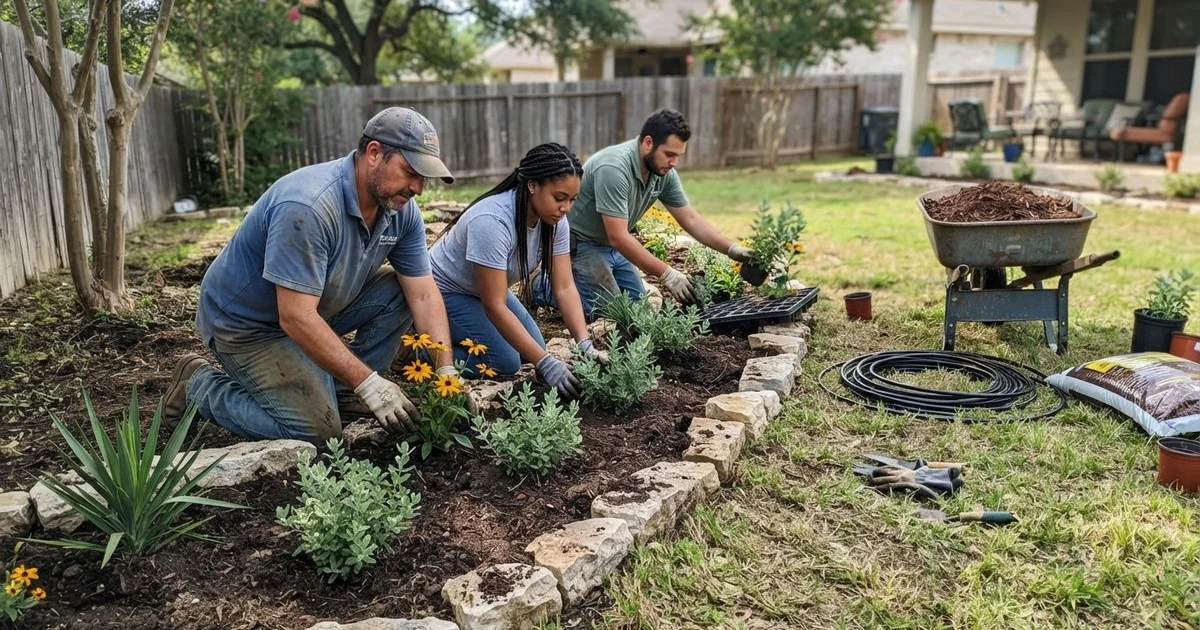
Austin’s landscaping market is big and varied enough that picking the wrong company can cost you a season of drainage problems or a dead irrigation zone in July. Across the 265 providers we track locally, the average Google rating sits at 4.69, which tells you the bar for decent work is already high here. The real job isn’t finding someone “good,” it’s finding the right specialist for your specific project and confirming they follow through on the details that separate a fair experience from a frustrating one.
Start by matching the category to your project
“Landscaper” is a broad label. In Austin, the providers we track break down into distinct specialties, and the sizes of those groups tell you something about how the market is structured:
- Landscape Design & Installation (239 providers): the largest group by far, covering everything from bed renovations to full yard overhauls. Most companies here also dabble in adjacent work.
- Lawn Care & Maintenance (90 providers): recurring mowing, fertilization, and seasonal cleanup, usually priced as ongoing service contracts rather than one-off jobs.
- Hardscape, Patios & Outdoor Living (36 providers): pavers, retaining walls, fire pits, and outdoor kitchens. These crews need masonry and drainage know-how, not just planting experience.
- Irrigation & Sprinkler Systems (58 providers): installation and repair of sprinkler heads, drip lines, and controllers, critical given Austin’s heat and periodic watering restrictions.
- Tree Services & Arborists (35 providers): pruning, removal, and health assessments, often requiring certified arborists for larger or protected trees.
- Landscape Lighting (29 providers): low-voltage lighting design and installation, usually bundled with a design/install job or added afterward.
If your project spans more than one of these (say, a patio plus new plant beds plus lighting), look for a company that lists design/installation as a core service and ask directly whether they subcontract the hardscape or electrical work. That single question tells you a lot about coordination and accountability on a multi-phase job.
What Austin homeowners consistently praise
The feedback patterns across local providers cluster around a few themes, and they’re worth using as a checklist when you’re comparing quotes:
- Fair pricing (30 mentions) and competitive pricing (10 mentions): the most common praise by a wide margin. Austin clients notice when a quote feels justified by the scope of work, not just when it’s cheap.
- Attention to detail (21 mentions): clean bed edges, correct plant spacing, tidy hardscape joints. This is the difference between a job that looks finished and one that looks rushed.
- Responsive communication (19 mentions): quick replies to calls or texts, especially during active projects.
- Professional crew (14 mentions): on-site workers who show up on schedule and treat the property with care.
- Knowledgeable staff (10 mentions): correct plant selection for Central Texas soil and climate, proper irrigation zoning, sound grading advice.
Any company you’re seriously considering should be able to point to a track record on at least two or three of these fronts, not just a high star rating.
The complaints worth screening for
Complaints are rarer in the data, but the ones that show up are concentrated and specific: property damage incidents, project delays paired with poor communication, substandard installation quality on certain services, weak accountability or follow-up after the job, material quality and durability issues, and slow responses to damage claims. None of these are dominant across the market, but each one is serious enough to ask about directly before signing a contract.
A short vetting checklist
- Ask for photos of a similar completed project, not just a portfolio of unrelated work.
- Get the payment schedule in writing, tied to project milestones rather than a single upfront deposit.
- Ask what happens if something is damaged during the job (irrigation lines, fencing, neighboring plants) and how claims get resolved.
- Confirm whether design/installation crews are in-house or subcontracted for hardscape, lighting, or irrigation phases.
- For tree work, ask if an ISA-certified arborist is involved, especially for large or heritage trees.
- Request a written estimate that itemizes materials versus labor so you can compare quotes on equal footing.
Recommendations by project type
For a full yard redesign, prioritize a Landscape Design & Installation company with strong attention-to-detail feedback and ask how they handle multi-trade coordination. For ongoing upkeep, a dedicated Lawn Care & Maintenance provider is usually more cost-effective than a design firm’s maintenance add-on. For patios or outdoor kitchens, confirm hardscape-specific experience rather than general landscaping background, since drainage and base prep are where problems tend to originate. For sprinkler work, given Austin’s water restrictions, choose a company that can explain zoning and controller programming, not just head replacement.
Browse verified local providers by category on the or read our
to see how we score and vet listings before starting your search.
FAQ
- How much does landscaping cost in Austin?
- Costs vary widely by scope, from a single maintenance visit to a full design/install project with hardscape and lighting. Rather than fixate on a flat number, get itemized quotes from two or three companies in the same category so you're comparing materials and labor on equal terms.
- Should I hire a general landscaper or a specialist?
- For single-focus work like irrigation repair, tree pruning, or lighting, a specialist in that category typically has deeper technical knowledge. For a multi-phase project touching several areas, a Landscape Design & Installation company that can coordinate the phases is usually more efficient.
- What's the biggest red flag when vetting a landscaper?
- Vague answers about accountability, especially around property damage or delays. The complaint data shows these issues are rare but serious, so ask upfront how a company handles claims and who is responsible if something goes wrong mid-project.
- Do I need a certified arborist for tree work?
- For routine trimming, an experienced tree service crew is usually sufficient. For large, mature, or protected trees, or any removal near structures, look for an ISA-certified arborist to assess risk before work begins.